Operations
Late arrivals and self check-in without the stress
Guests turn up after reception closes, and always will. How to set up a calm, simple self check-in so a 9pm arrival feels welcoming and your evening stays your own.
 JackCo-founder
3 min read
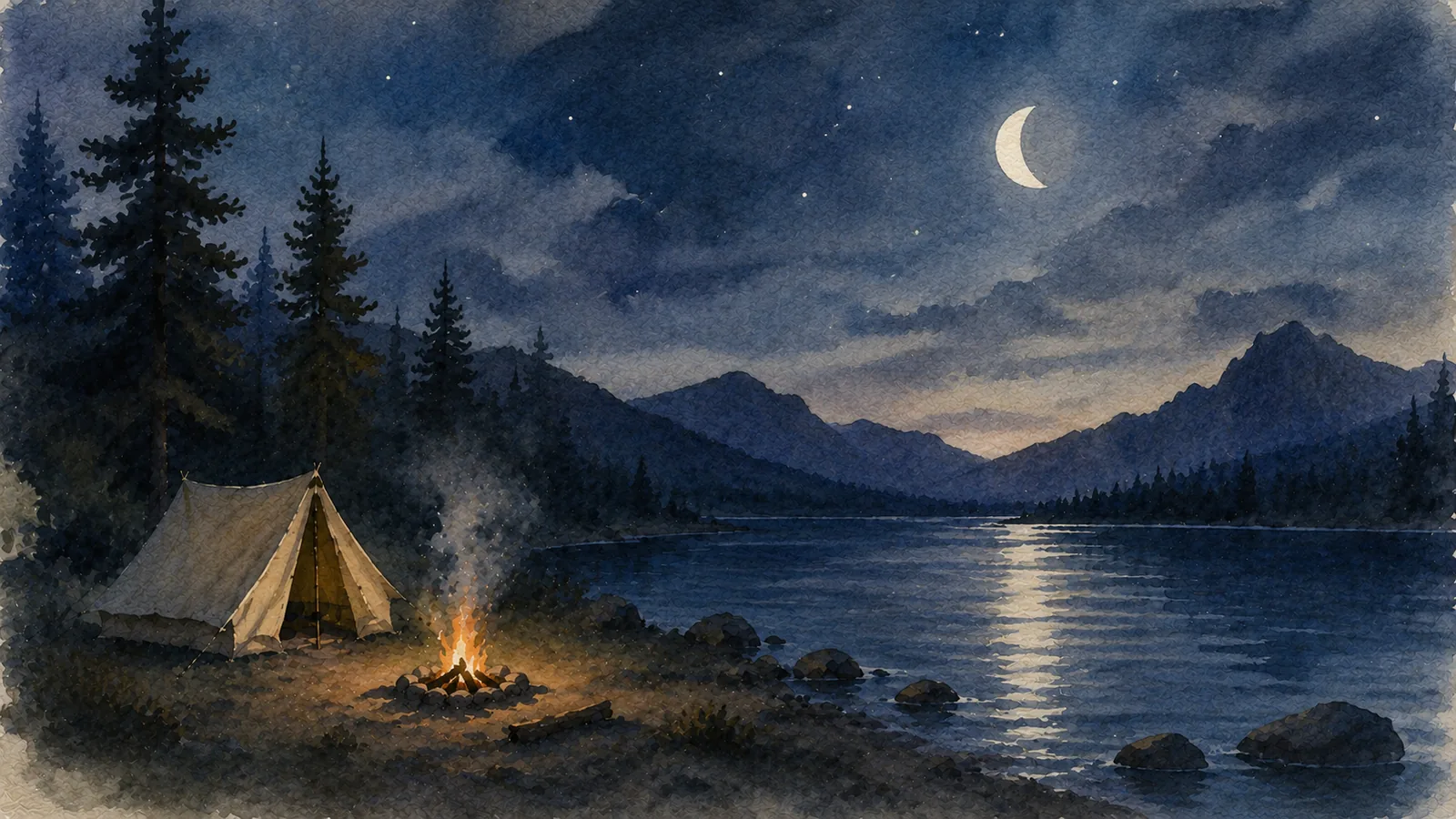
Somewhere in the UK tonight, a family is stuck on the M5 and will reach a campsite two hours after reception shuts. The only question is whether that site has a plan. If it does, the guests pull in, find their pitch and are eating beans on toast by ten. If it does not, there is a phone call, a torch, a wrong turn into the wrong field and a first impression nobody wanted.
Late arrivals are not a problem to be discouraged. They are a normal part of how people camp, especially on Fridays, and handling them well is one of the cheapest ways to earn a good review.
Decide your arrival window up front
Start with a clear rule and say it everywhere. "Reception is open 9 to 5. Arrive from 2pm. Arrivals after 5pm are welcome until 10pm using self check-in." Guests are relaxed about almost any policy as long as they know it before they set off. Put it on your booking page, in the confirmation email and on the sign at the gate.
Pick a hard stop, too. A 10pm quiet hour is easy to defend if you have said so in advance, and it protects the guests already asleep.
Make the pitch findable in the dark
Most late-arrival stress is navigation. Fix it before the guest sets off:
- Assign the pitch in advance. Nobody should be wandering a dark field choosing. If you let guests pick on arrival, switch to pre-allocation for late arrivals at least.
- Send a simple map. A photo of the site plan with the route highlighted and the pitch circled beats a paragraph of directions.
- Light the way. Low, warm path lighting and a reflective marker on each pitch cost very little. Avoid floodlights, which annoy neighbours and ruin the dark sky.
- Give a what3words-style location or a pinned map link for the gate, not just the postcode, because sat-navs love to send people to the farm next door.
Build the self check-in pack
A good self check-in is a short, calm set of instructions the guest can follow with one hand and a sleepy child in the other:
- Gate code or key location, and how to close the gate behind them.
- Their pitch number, with a line on how to find it.
- Where the toilets, water and bins are.
- Rules that matter at night: speed limit, quiet hours, where to park.
- A phone number for genuine emergencies, and an honest note on when it will be answered.
Keep it to one screen. Everything else can wait until morning, when you can say hello properly.
Send it at the right moment
The pack is only useful if it is in their hands when they need it. Send the full instructions the day before arrival, and a short reminder on the morning itself, with the closing time of reception and the self check-in route. We cover what makes these messages worth opening in pre-arrival emails guests actually read. Guests on Pillowcase receive these automatically, so a late arrival never depends on you remembering.
It is also worth asking for an estimated arrival time at booking. You do not need to enforce it, but knowing that a pitch will be occupied after dark lets you leave a light on and put a welcome note on the gate.
Do not forget the morning after
Self check-in should lead to a human moment, not replace one. Leave a note that says when you will be at reception and invite guests to pop in for a chat, to pay for extras or to ask about the area. Late arrivals who get a friendly hello the next morning are the guests most likely to rebook, because the evening was easy and the morning was warm.
Quick checklist
- Arrival window and hard stop published in every channel
- Pitches pre-allocated for late arrivals
- Gate, map and pitch markers visible after dark
- One-screen self check-in pack sent the day before
- A reminder on the morning of arrival
- A note on how to find you the next day
Do this once and it works for every late arrival from now until the clocks go back and beyond. Your guests get a smooth first night, and you get your evening back.