Operations
Campfires and fire pits: getting the rules right
A campfire sells more pitches than almost any other amenity, and causes more disputes when the rules are vague. How to offer them properly, safely and without the 11pm knock on your door.
 JackCo-founder
3 min read
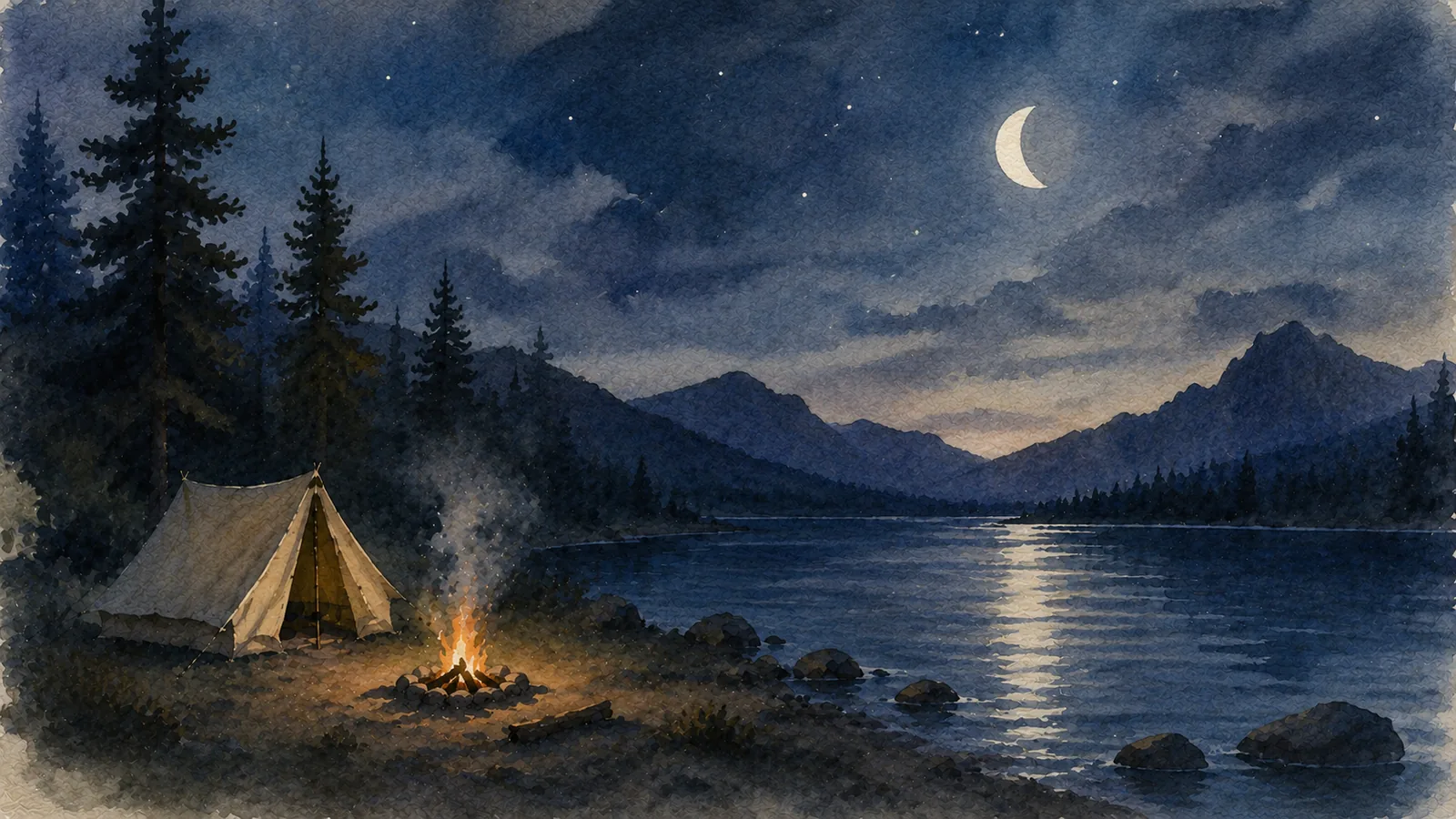
Ask campers what they remember about a trip and a fire comes up more often than the shower block ever does. It is the one amenity that shows up in reviews as a feeling rather than a fact, "we sat round the fire until midnight" rather than "the wifi worked." Which is exactly why it is worth getting properly organised rather than left as a vague line on the booking page that says "campfires permitted, please be sensible."
Sensible means something different to every guest. Written down clearly, it means something consistent to all of them, and that is the difference between a fire pit being your best amenity and it being the reason you are outside a tent at 11pm having the same conversation for the third time this month.
Decide what you are actually offering
There are three different products hiding under the word "campfire", and mixing them up is where most disputes start. Raised, off-ground fire pits you provide and guests hire or buy wood for; a designated area where guests bring their own pit, generally required to be raised off the grass; and open ground fires, which most insurers and a fair few local authorities take a dim view of on a working field. Pick one model per pitch type and say so on the listing rather than leaving it to be negotiated at check-in, because that negotiation always happens on the one night you are short-staffed.
Off-ground, always
Whichever model you choose, off-ground is the one rule worth making non-negotiable. A fire directly on grass leaves a scorched patch that takes a season or more to recover, and on a site with rotating pitches that is a repair bill you are paying for every guest who skips it. Raised pits, whether yours or theirs, solve this in one move and are cheap enough to stock at the shop or include in a serviced pitch rate.
Write the rules where people actually read them
The booking confirmation and the welcome pack, not just a laminated sign nobody looks at after dark. Cover the basics plainly: fires out and covered by a stated time, never left unattended, no fires during a burn ban (check with your local fire service in a dry spell, since these get issued with little warning), and a fire extinguisher or full bucket of water kept within reach of every fire. None of this reads as heavy-handed if it is framed as what makes the fire possible at all rather than a list of threats.
Sell the wood, don't just permit the fire
If campers are going to have a fire regardless, selling seasoned, ready-to-burn wood from the shop turns a facility you police into one that earns. It also solves your biggest safety problem by proxy: guests scavenging damp deadwood or, worse, pallets from a skip burn far dirtier and less predictably than a bag of kiln-dried logs bought on site. Price it to be more convenient than a supermarket run, and most guests will take that trade happily.
Check your policy covers what you are actually doing
A public liability policy written before you added fire pits may not reflect them, particularly if you supply the pits or the wood rather than merely tolerating guests' own. A five-minute call to confirm cover, alongside the burn-ban question above, pays for itself the first time either comes up for real rather than in the abstract.
The upside is worth the admin
None of this is complicated, and it is considerably less admin than it sounds once the rules are written down once and repeated in every booking confirmation from then on. What you get in return is the amenity guests actually talk about afterwards, in reviews and to friends deciding where to book next. Get the basics right once and the fire pit stops being a risk you manage and becomes the reason people come back.