Camping tips
The complete UK camping packing list
Everything worth packing for a UK camping trip, the five things everyone forgets, and what to leave at home. Print it, tick it, go.
 JackCo-founder
3 min read
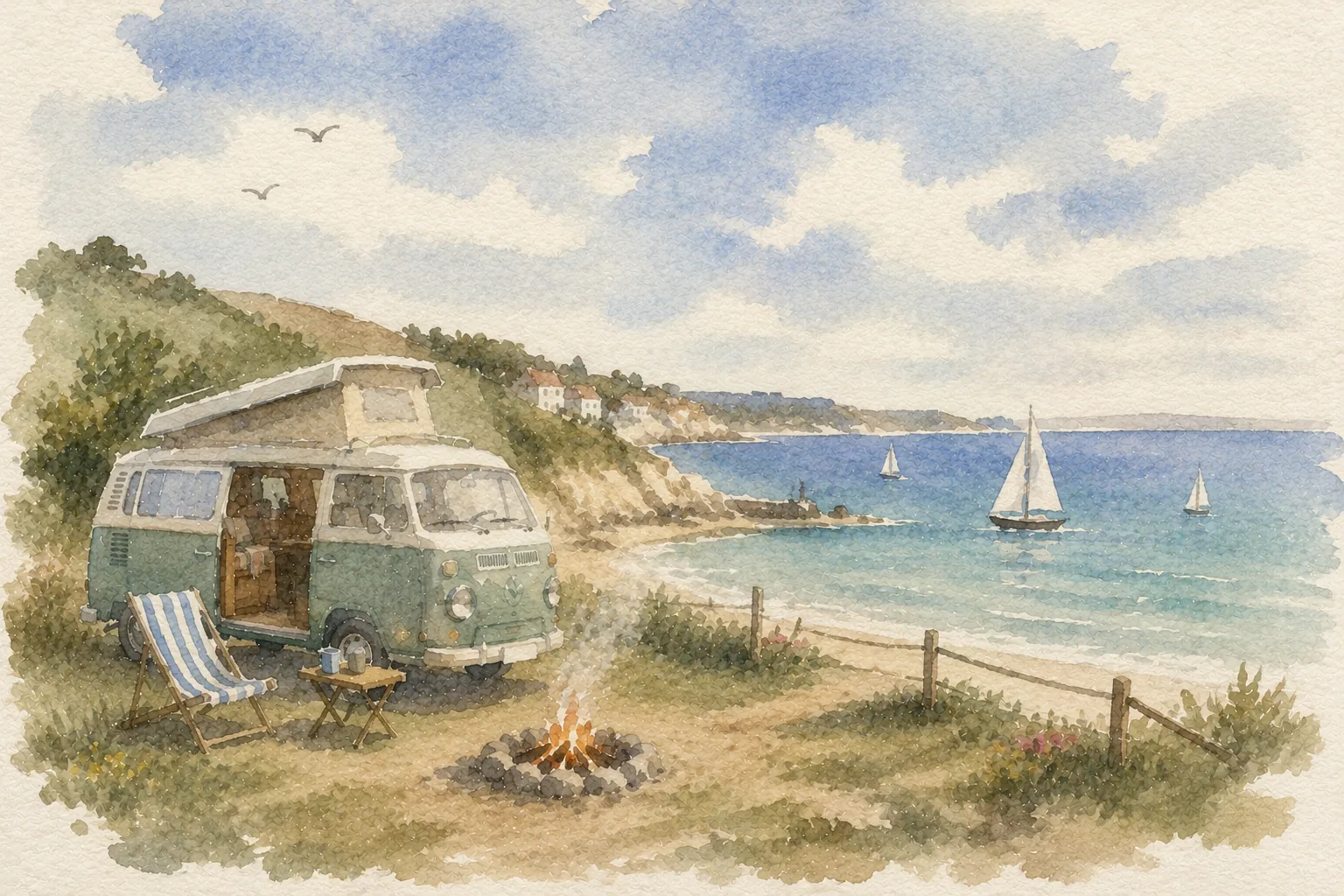
Every camping family has the story: the trip with no tent pegs, the weekend the airbed pump stayed on the kitchen table. British camping forgives most mistakes, but packing is the one part of the holiday you fully control. Here is the list we actually use, organised so you can tick it off the night before.
Shelter and sleeping
- Tent, poles, pegs and mallet. Check the poles before you leave, not in the field.
- Spare pegs and a couple of storm straps. UK weather needs no introduction.
- Groundsheet or footprint, plus a small tarp: instant porch, rain shelter or picnic spot.
- Sleeping bags rated for lower temperatures than the forecast. British nights run cold even in July.
- Mats or airbeds, and the pump that fits them.
- Pillows. Rolled-up hoodies stop being charming on night two.
Kitchen
- Stove, enough gas, and a lighter plus backup matches.
- One big pot, one frying pan, a sharp knife and a chopping board.
- Plates, mugs, cutlery, tin opener, bottle opener.
- Washing-up bowl, sponge, tea towel and biodegradable soap.
- Cool box, and frozen water bottles instead of ice packs: they chill the food, then you drink them.
- Tea, coffee, oil, salt and the first breakfast. Never plan to find a shop on arrival night.
Weather, light and power
- Waterproofs for everyone, packed where you can reach them.
- Wellies or spare shoes, because morning grass is always wet.
- Layers rather than one big coat, and hats both woolly and sunny. Same trip, sometimes same day.
- Head torches for everyone plus a lantern for the table.
- Power bank, cables, and a hook-up lead with the right connector if you booked an electric pitch.
- Sun cream and insect repellent, the two great British underestimates.
The five things everyone forgets
- A doormat. An old towel by the tent door halves the mud inside.
- Duct tape. Fixes poles, airbeds, wellies and children's toys.
- Clothes pegs and a line. Something is always wet.
- Cash. Farm shops, honesty boxes and the best ice cream vans remain card-free.
- The booking confirmation with the site's arrival instructions, downloaded, not just in an email you need signal to open.
For kids and dogs
- Bikes, balls and a bucket cover most children's entertainment; boredom is rare on a good site.
- Their own head torch each. It prevents arguments and doubles as bedtime entertainment.
- For dogs: lead, long line, water bowl, bags, and a stake if the site asks for dogs to be tethered.
What to leave at home
Half the wardrobe, the second gas barbecue, glass anything, and the inflatable sofa that takes a pitch of its own. Every seasoned camper packs lighter each year, because the best kit list is the one that fits in one trip from the car.
Check the site before you pack
The final trick is packing for the campsite, not just the weather. A site with a shop, fire pits to hire and electric hook-ups needs a different boot-load from a simple farm field. Read the facilities list when you book, and check the dogs, fires and arrival-time rules while you are there. If you are still choosing where to go, find a campsite, or start with our pick of the best UK campsites of 2025.