Camping tips
Winter camping in the UK, how to stay warm and actually enjoy it
Cold nights, short days and empty fields. How to choose a site, sleep warm and plan your days so a winter camping trip in the UK feels like a treat rather than a test.
 JackCo-founder
4 min read
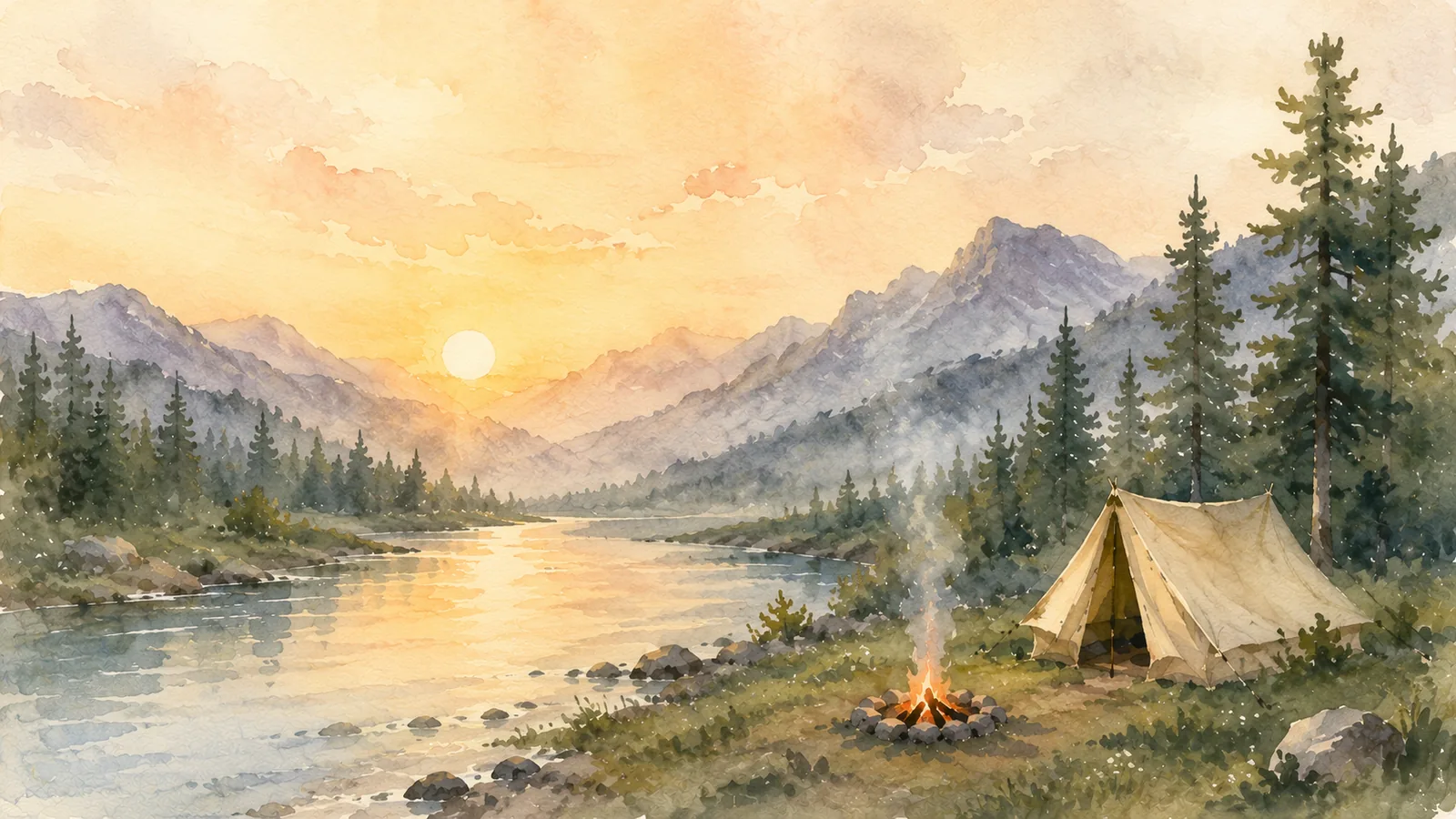
Winter camping has a reputation for being for the hardy and slightly mad. In practice it is one of the best-kept secrets in UK camping. The fields are quiet, the stars are sharper, the pubs are cosy and you can often have a whole woodland to yourself on a Saturday night.
The catch is that cold is unforgiving of poor preparation in a way that summer rain never is. Get a few things right and a frosty weekend is a joy. Get them wrong and you will be counting down to sunrise. Here is how to land on the right side of that line.
Check the site is actually open
Many campsites close from November to March, and plenty of those that stay open run reduced facilities. Before you book, check whether the shower block is heated and open, whether water is switched on (taps are often turned off to protect pipes in a hard frost), and whether the office is staffed if something goes wrong. A site that stays open all year usually does it properly, with hardstanding pitches, hook-ups and warm facilities, so look for listings that say so explicitly. If you want a pitch with electricity, say so when you book, since winter hook-up pitches are limited.
Choose a pitch that works with the cold
Cold air sinks, so the lowest corner of a field is also the coldest and the frostiest. Aim for a slightly raised pitch, ideally with some shelter from the prevailing wind, such as a hedge or a stand of trees. Face your tent door away from the wind and, if you can, toward the morning sun so the frost clears sooner. Hardstanding or gravel pitches are a gift in winter, because they stay firmer when the grass turns to mud.
Sleep warm, the part that matters most
Almost every miserable winter camping story is really a story about a bad night's sleep. Three things make the difference.
- Insulate from below. The ground steals more heat than the air does. Pair a foam mat with an insulated inflatable one, or add a blanket or a folded groundsheet underneath. A high-rated mat matters as much as the sleeping bag.
- Pick the right bag. Look at the comfort rating, not the lower "extreme" figure on the label. For UK winter nights, a bag with a comfort rating around 0°C or lower is a sensible target. A liner adds a few degrees cheaply.
- Dress for bed, not for show. Dry base layers, a hat and clean socks that you have not walked in all day. Never sleep in damp clothes, and have a hot water bottle in the bag twenty minutes before you get in.
Eat something warm and a little fatty before bed, and a hot drink helps too. Your body generates heat by digesting, and a full stomach keeps you warmer through the night.
Manage condensation and wet gear
Cold nights bring condensation, because your breath meets a cold tent wall. Leave a vent or two open even when it feels counterintuitive, and wipe down the inside with a camping towel in the morning. Keep wet boots and coats in the porch or awning rather than the sleeping area, and bring a spare pair of everything you walk in. If the weather turns wet as well, our guide to camping in the rain covers the setup side. For the full kit, start from the UK camping packing list and add layers.
Plan your days around the light
Sunset arrives around 4pm in midwinter, which means long evenings. Treat this as a feature. Do your walking in the middle of the day, be back at the pitch with the stove on before dark, and bring something for the evening: a card game, a book, a good head torch, a flask of something warm. Cook early, keep meals simple and hot, and use a pot with a lid so the stove works less hard in the cold.
Be safe about heating
Never use a stove, barbecue or fuel heater inside a tent. Carbon monoxide is odourless and deadly, and tents burn quickly. If you want proper warmth, book a pitch with electric hook-up and use a certified tent heater, or choose a site with camping pods, yurts or cabins that are designed for cold months. If you are weighing up a campfire instead, check the site's rules first, since many sites only allow raised fire pits. Tell someone where you are going and keep your phone charged, since signal can be patchy in the hills.
Start small
If you have never camped in winter, begin with a single night on a site with heated facilities and a short drive home as a backup. Once you have found the system that keeps you warm, a longer trip is easy to plan. When you are ready, find a campsite and look for ones that are open all year, with heated showers and hook-ups.